
How to Sell on Tmall Platform Successfully
If you want to expand your business into China’s booming e-commerce market, selling on the Tmall platform is a smart move. Tmall is one of the largest online marketplaces in China, offering access to millions of consumers eager for quality products and services. But how do you sell on Tmall platform effectively? What steps should you take to stand out and grow your sales? This guide will walk you through everything you need to know to succeed.
Why You Should Sell on Tmall Platform
Selling on Tmall platform opens doors to a massive audience. China’s middle class is growing fast, and online shopping is a preferred way to buy everything from food and beverages to health products and education services. Here’s why you should consider Tmall:
Huge customer base: Tmall attracts millions of active users daily.
Trusted platform: Customers trust Tmall for authentic and high-quality products.
Cross-border opportunities: You can sell directly to Chinese consumers without a local business license.
Strong marketing tools: Tmall offers promotional campaigns, live streaming, and social media integration.
For businesses in food and beverage, blockchain, nutrition, health, real estate, and education, Tmall is a gateway to reach Chinese consumers who value quality and innovation.
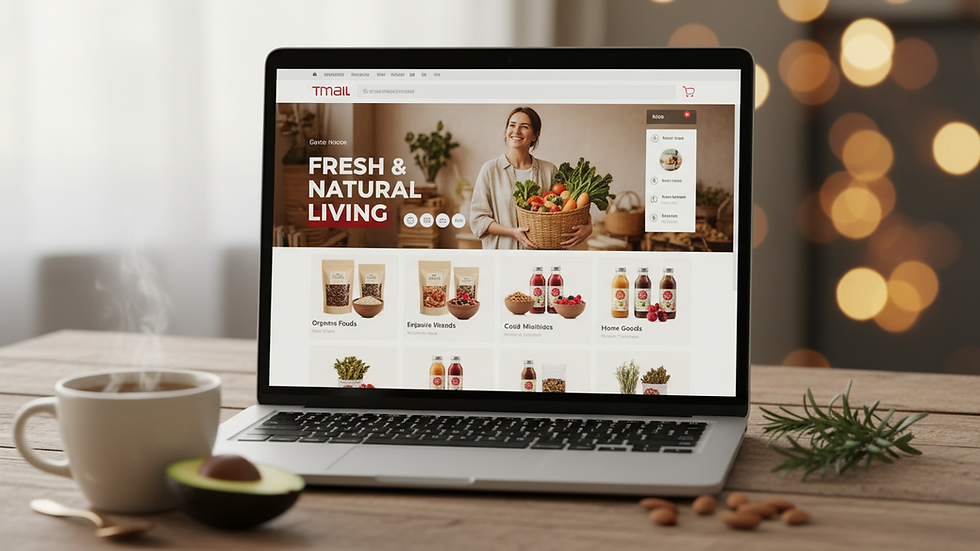
How to Sell on Tmall Platform: Step-by-Step Guide
Selling on Tmall platform requires preparation and strategy. Here’s a clear roadmap to get you started:
1. Understand the Requirements
Before you apply, make sure you meet Tmall’s criteria:
You must be a registered company outside China.
Provide valid business licenses and trademark certificates.
Have a reliable supply chain and logistics plan.
Prepare a deposit (usually around $10,000 to $30,000 USD).
2. Choose Your Store Type
Tmall offers two main store types for international sellers:
Tmall Global: For overseas brands selling directly to Chinese consumers without a physical presence in China.
Tmall Domestic: For companies with a registered entity in China.
Choosing the right store type depends on your business setup and goals.
3. Register and Submit Your Application
You will need to:
Create an Alibaba account.
Submit your business documents.
Wait for approval (this can take several weeks).
4. Set Up Your Storefront
Once approved, design your store to appeal to Chinese shoppers:
Use high-quality images and clear product descriptions.
Localize your content in Mandarin.
Highlight your brand story and product benefits.
5. Plan Your Marketing Strategy
Tmall offers many ways to promote your store:
6. Manage Logistics and Customer Service
Efficient delivery and excellent customer support are crucial:
Partner with reliable cross-border logistics providers.
Offer clear return policies.
Respond quickly to customer inquiries.
What is the difference between Tmall and Tmall global?
Understanding the difference between Tmall and Tmall Global is key to choosing the right platform for your business.
Tmall is designed for Chinese companies or foreign companies with a legal entity in China. It requires a local business license and warehouse.
Tmall Global allows international brands to sell directly to Chinese consumers without a physical presence in China. It’s ideal if you want to test the market or avoid complex local regulations.
Tmall Global offers more flexibility but may have higher logistics costs and longer delivery times. Tmall, on the other hand, provides faster shipping and better integration with local services but requires more upfront investment.

Tips to Maximize Your Success on Tmall Platform
Selling on Tmall platform is competitive, so you need to stand out. Here are some practical tips:
Localize everything: Use Mandarin for product descriptions, customer service, and marketing materials.
Focus on quality: Chinese consumers value authenticity and quality over price.
Leverage data: Use Tmall’s analytics tools to understand customer behavior and optimize your listings.
Build trust: Display certifications, customer reviews, and detailed product information.
Engage with customers: Use live chat and social media to build relationships.
Invest in advertising: Baidu Ads and Tmall’s own promotional tools can boost visibility.
How Our Services Can Help You Sell on Tmall Platform
Entering the Chinese market can be complex, but you don’t have to do it alone. Our expertise covers everything you need to succeed:
Exhibition Trade Show Booth Design and Construction
We help you create eye-catching booths for China and global exhibitions, making your brand stand out.
Chinese Social Media Marketing
We specialize in WeChat and Rednote marketing to drive traffic and build brand awareness.
China E-commerce Services
From setting up your Tmall, Taobao, or WeChat store to managing operations, we handle it all.
Reach your target audience with effective Baidu advertising campaigns.
Chinese Press Release Services
Get your news and product launches noticed by the right media outlets.
China Market Research and Analysis
We provide detailed entry market research to help you make informed decisions.
By partnering with us, you can focus on your products while we handle the complexities of the Chinese market.
Ready to Take the Next Step?
Selling on Tmall platform is a powerful way to grow your business in China. It requires planning, localization, and ongoing effort, but the rewards are worth it. Remember to:
Meet all registration requirements.
Choose the right store type.
Localize your content and marketing.
Use data and customer feedback to improve.
Partner with experts to navigate the market.
Are you ready to tap into one of the world’s largest e-commerce markets? Start your journey today and watch your brand thrive in China.
Selling on Tmall platform is not just about listing products. It’s about building trust, engaging customers, and delivering quality. With the right approach and support from SODA Global, you can succeed and grow your business in this exciting market.


Comments